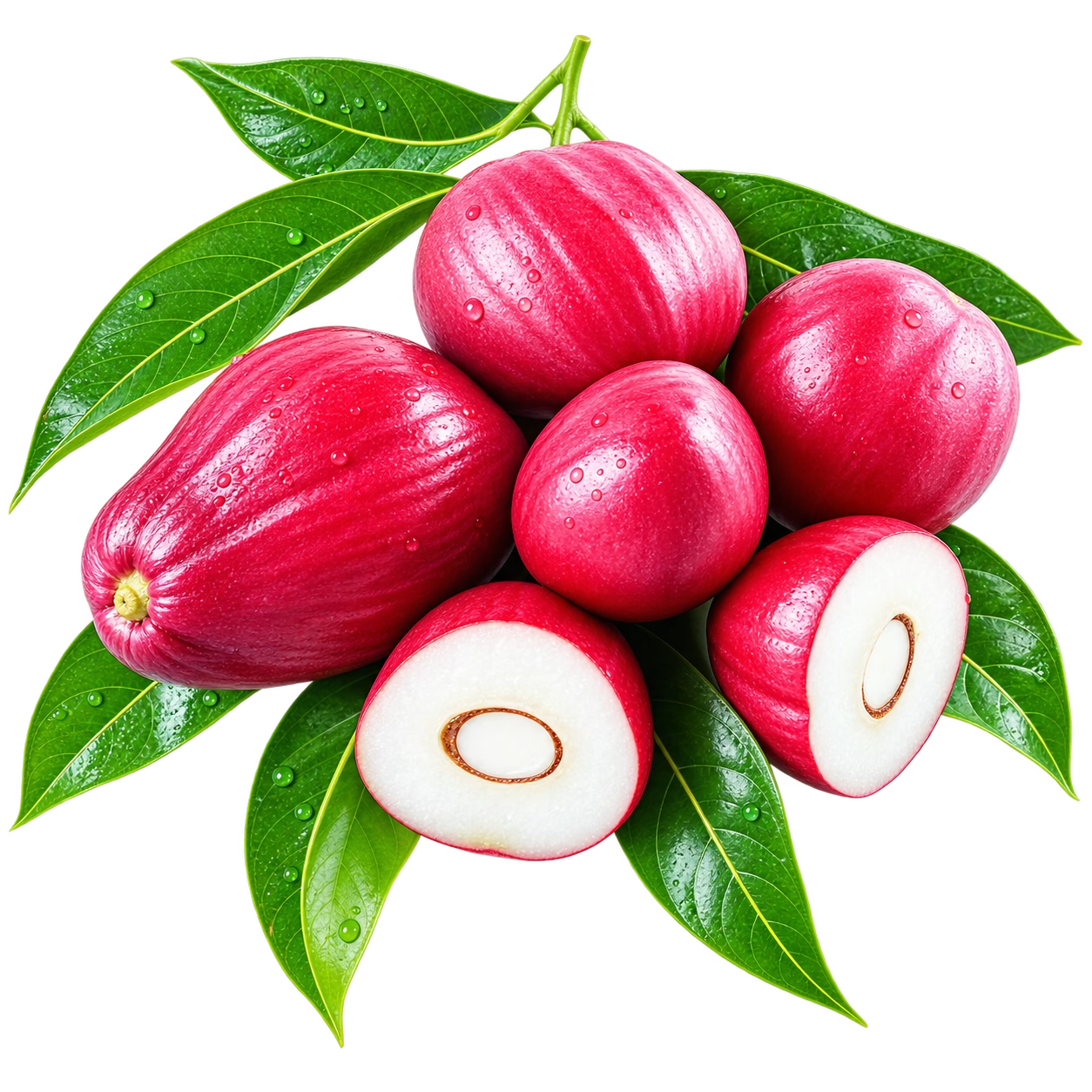
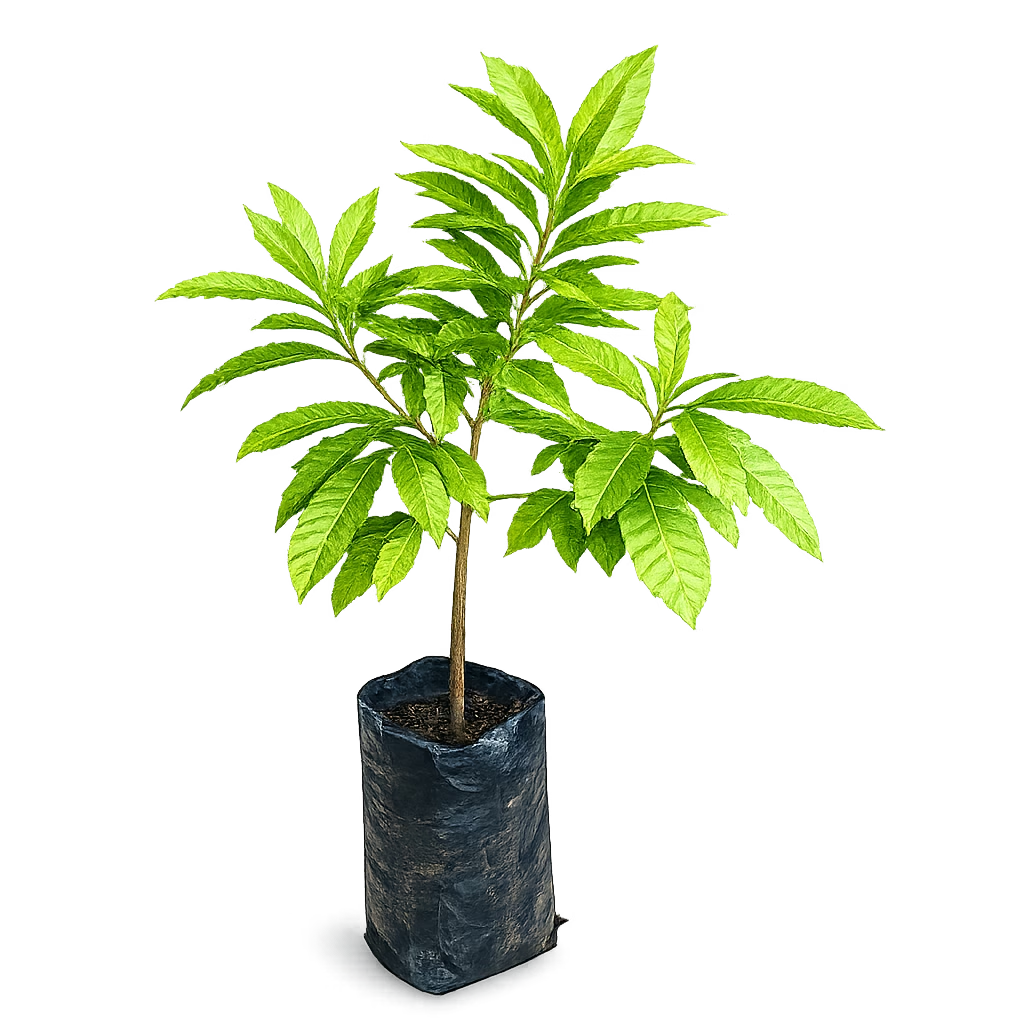
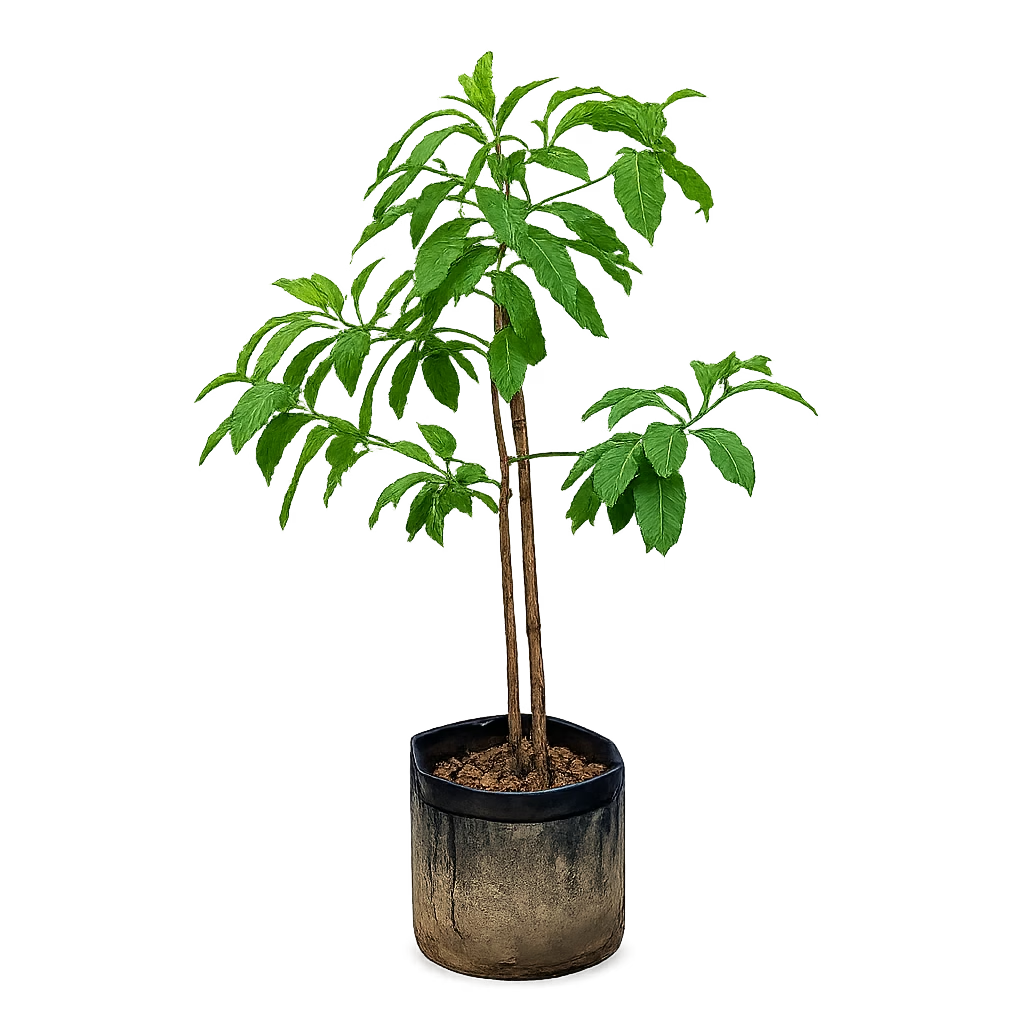
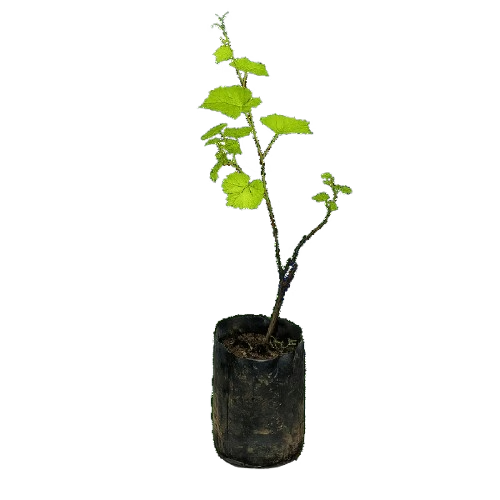
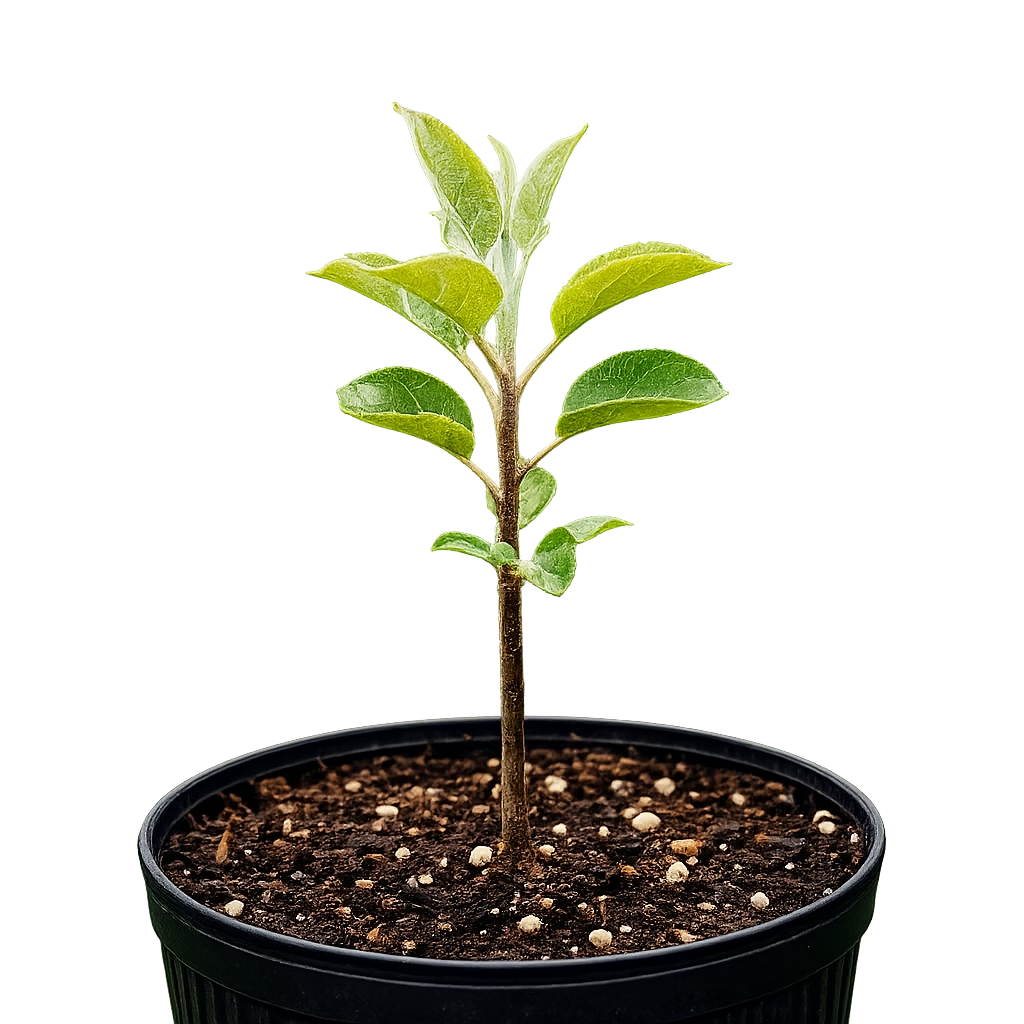
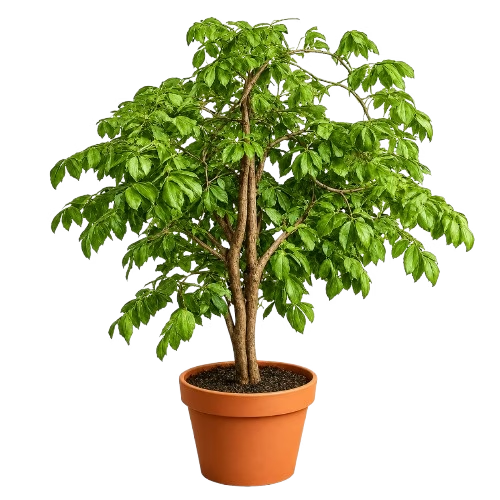
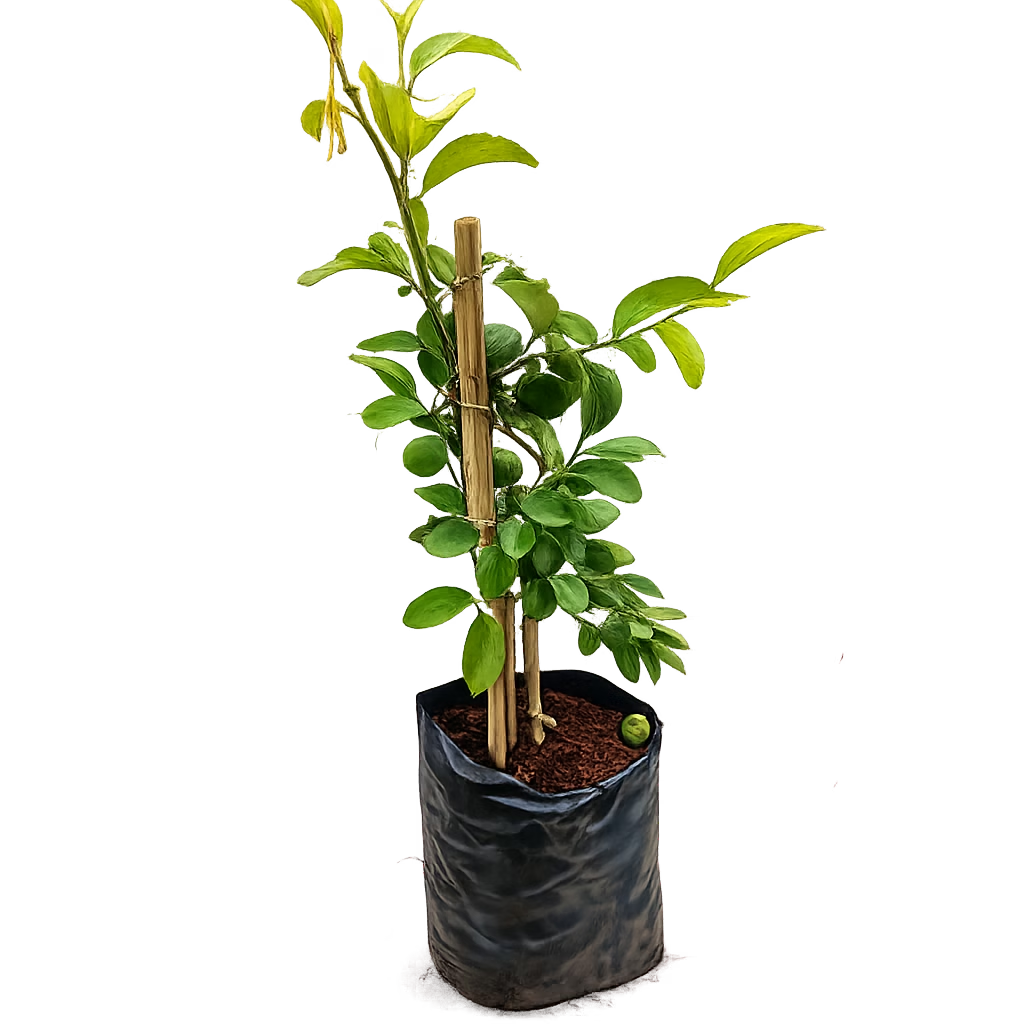
Pulasan is a rare and premium tropical fruit closely related to rambutan, prized for its thick, juicy flesh, exceptionally sweet flavor, and rich aroma. The fruits have a distinctive thick reddish-purple rind with short, blunt spines and are easy to peel by hand. Grafted Pulasan plants typically begin bearing fruits within 3–4 years under proper care, making them an excellent choice for home gardens and specialty fruit orchards.
Pulasan thrives in warm, humid tropical climates and grows best in fertile, well-drained soil with regular watering and full sunlight. The tree is vigorous, easy to maintain, and produces abundant harvests during the fruiting season. Rich in Vitamin C, antioxidants, dietary fiber, and essential minerals, the fruits are best enjoyed fresh and are also suitable for desserts and fruit platters. Its rich sweetness, premium fruit quality, and exotic appeal make Pulasan one of the most desirable tropical fruits for collectors and fruit enthusiasts.
- Category:
- Exotic Fruit Plants
- Share:
Pulasan is a rare and premium tropical fruit closely related to rambutan, prized for its thick, juicy flesh, exceptionally sweet flavor, and rich aroma. The fruits have a distinctive thick reddish-purple rind with short, blunt spines and are easy to peel by hand. Grafted Pulasan plants typically begin bearing fruits within 3–4 years under proper care, making them an excellent choice for home gardens and specialty fruit orchards.
Pulasan thrives in warm, humid tropical climates and grows best in fertile, well-drained soil with regular watering and full sunlight. The tree is vigorous, easy to maintain, and produces abundant harvests during the fruiting season. Rich in Vitamin C, antioxidants, dietary fiber, and essential minerals, the fruits are best enjoyed fresh and are also suitable for desserts and fruit platters. Its rich sweetness, premium fruit quality, and exotic appeal make Pulasan one of the most desirable tropical fruits for collectors and fruit enthusiasts.
| Planting method | Dig a suitable pit and fill it with fertile, well-drained soil. Place the plant in the center and cover the roots with soil. Water thoroughly after planting and maintain regular watering. |
|---|---|
| Pit size | 2 ft × 2 ft × 2 ft |
| Canopy width | Varies by plant variety |
| Canopy height | Varies by plant variety |
| Season | Best planted during the growing season |
| Shade tolerance | Partial shade to full sunlight |
| Ideal location | Garden, landscape, courtyard, or open outdoor area |
Ideal growing conditions:
| Temperature | 20°C – 35°C |
|---|---|
| Rainfall | Moderate and regular rainfall |
| Relative humidity | 60% – 80% |
| Soil pH | 6.0 – 7.5 |
| Soil | Fertile, well-drained soil |
| Elevation | Suitable for low to moderate elevations |
![NJAVAL [BLACK, WHITE; THAI KING]](/media/products/content_-_2026-07-24T104744.387.avif)